Your roof is one of the most important parts of your commercial building, and commercial roof maintenance is not a one-size-fits-all job. At Beyond Roofing Wisconsin, we work with property owners every day who do not realize that TPO, EPDM, metal, and flat roofs all have very different maintenance needs. Using the wrong approach for your roof type can lead to early damage and costly repairs.
This full breakdown covers what each roof type needs, how climate affects your maintenance plan, and what you can expect when it comes to commercial roof maintenance costs. Whether you need Standard Roofing and Repair services or full commercial roofing in Milwaukee, this guide is for you.
Why Knowing Your Roof Type Matters
Different roofing materials wear down in different ways. Heat, cold, rain, and UV exposure all affect TPO, EPDM, metal, and flat roofs differently. If you treat all roofs the same, you risk missing early warning signs, and small problems can turn into major repairs fast.
At Beyond Roofing Wisconsin, we build maintenance plans around each specific roof system. This targeted approach is the key to making any commercial roof last as long as possible.
TPO Roofing Maintenance: What You Need to Know
TPO (Thermoplastic Olefin) roofing is a popular choice for modern commercial buildings. It is energy-efficient, reflective, and eco-friendly. But like all roof systems, it needs regular attention to stay in top shape.
Here is what proper commercial roof maintenance looks like for TPO systems:
- Inspect seams regularly; seam failure is the most common TPO problem.
- Clean the membrane surface to prevent dirt and debris buildup.
- Check for cracks, blisters, or membrane wear after heavy weather.
- Ensure drainage is clear so water does not sit on the surface.
- Reapply sealants around flashings and edges as needed.
Well-maintained TPO roofs are highly energy-efficient and can last 20 to 30 years. Skipping maintenance leads to seam separation and membrane cracking, which are expensive to fix.
EPDM Roofing Maintenance: Rubber Roofs Need Attention Too
EPDM (Ethylene Propylene Diene Monomer) is a rubber roofing material known for its flexibility and weather resistance. It handles temperature swings well, making it a solid choice in Wisconsin’s climate. But it is not maintenance-free.
Key EPDM maintenance tasks include:
- Inspect for punctures from foot traffic or fallen debris.
- Look for shrinkage along edges and seams. This is a common EPDM issue.
- Check all seam bonds and lap joints for signs of lifting or separation.
- Keep the surface free from standing water to avoid early degradation.
- Treat any surface cracking before it spreads deeper into the membrane.
Flat roof maintenance is especially important for EPDM systems. Because these roofs are low-slope, water tends to pool, and standing water is the fastest way to shorten the life of any rubber roof.
Is your EPDM or TPO roof due for an inspection? Beyond Roofing Wisconsin offers expert commercial roofing Milwaukee services. Call us today!
Metal Roof Maintenance: Built Tough but Not Bulletproof
Metal roofs are known for their long lifespan and strength. But they still require regular commercial roof maintenance to stay in peak condition. Ignoring a metal roof can lead to rust, loose fasteners, and coating failure, all of which are costly to fix.
A solid metal roof maintenance plan includes:
- Tighten or replace loose screws and fasteners every year.
- Inspect protective coatings and repaint or recoat when wear appears.
- Treat any rust spots early before corrosion spreads.
- Clear debris from valleys and gutters to keep drainage flowing
- Check all seals around vents, skylights, and penetrations.
With proper care, a metal roof can last 40 years or more. It is one of the most durable commercial options available, but only when it receives the attention it needs on a consistent basis.
Flat Roof Maintenance: High Risk Without Regular Care
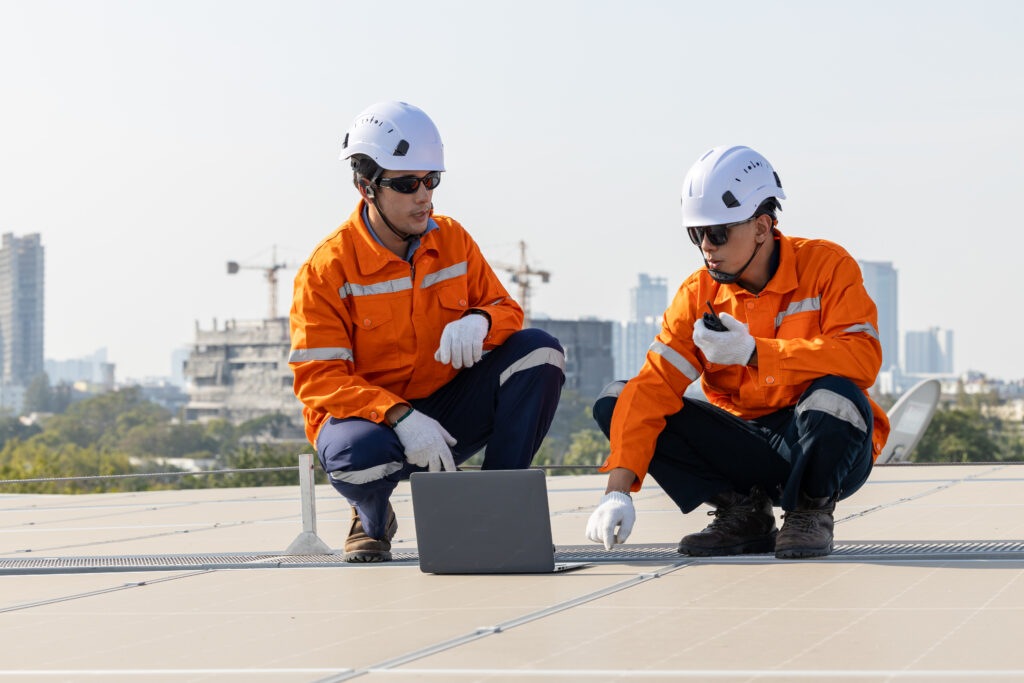
Flat roofs are widely used in commercial buildings because they are cost-effective and easy to build. However, flat roof maintenance is more demanding than many property owners expect. Because flat roofs have little to no slope, water does not drain off naturally. This creates a higher risk of pooling, leaks, and membrane damage over time.
Essential flat roof maintenance steps include:
- Remove standing water within 48 hours of any rain event.
- Clear all drains, scuppers, and gutters regularly.
- Inspect the membrane for cracks, bubbles, or tears.
- Check all flashing around edges and rooftop equipment.
- Schedule professional inspections at least twice a year.
Flat roofs are reliable when maintained correctly. Without regular care, they are one of the most failure-prone systems in commercial roofing.
How Climate Affects Your Commercial Roof Maintenance Plan
Where your building is located plays a huge role in how often and what type of maintenance your roof needs. For example, roofing maintenance for desert climates focuses mostly on UV damage, heat stress, and thermal expansion. Coatings break down faster in intense sun, and sealants dry out more quickly in dry heat.
In Wisconsin, the challenges are very different. Commercial roof maintenance here must account for:
- Ice dam formation along edges and valleys in winter
- Freeze-thaw cycles that crack and expand roofing materials
- Heavy snow loads that stress the roof structure
- Spring rain and moisture that finds its way into damaged seams
- High summer humidity that promotes mold and membrane degradation
Beyond Roofing Wisconsin understands exactly how the local climate affects each roof type. Our roofing maintenance service is built around Wisconsin’s real seasonal conditions, not generic checklists. Whether you need flat roof care, metal roof inspections, or full commercial roofing maintenance in New Berlin, WI, we create a plan that fits your building and your weather.
Understanding Commercial Roof Maintenance Cost
One of the most common questions we hear is: What does commercial roof maintenance cost? The honest answer is it depends. Factors that affect cost include:
- The size and square footage of your roof
- The type of roofing material (TPO, EPDM, metal, or flat)
- The current condition and age of the roof
- How frequently maintenance has been performed in the past
- Whether repairs are needed alongside routine servicing
What we can say with confidence is this: routine maintenance always costs less than emergency repairs or full roof replacement. Catching a small seam issue or a minor leak early can save tens of thousands of dollars in structural damage down the road.
Investing in a preventive maintenance plan through Standard Roofing and Repair services is one of the smartest financial decisions a commercial property owner can make.
Want to know the commercial roof maintenance cost for your building? Get a detailed estimate from Beyond Roofing Wisconsin, no obligation, no pressure!
Why Hire a Professional Roofing Contractor?
Some basic tasks, like clearing debris, can be done in-house. But inspections, seam repairs, coating applications, and drainage fixes should always be handled by a licensed professional. Here is why:
- Professionals spot early warning signs that untrained eyes miss.
- They use the right tools and materials for each specific roof type.
- DIY repairs done incorrectly can void your roof warranty
- Licensed contractors provide documentation that protects your warranty.
- Expert maintenance extends your roof’s lifespan and protects your investment.
For commercial roofing Milwaukee property owners, working with an experienced local contractor like Beyond Roofing Wisconsin means you get maintenance plans that are built for your exact roof type and your local climate.
Build a Preventive Maintenance Plan That Works
The best commercial roof maintenance strategy is a proactive one. Rather than waiting for something to go wrong, a preventive plan keeps small issues from becoming big problems.
A strong preventive plan includes:
- Bi-annual professional inspections, spring and fall, at a minimum
- Post-storm inspections after heavy rain, hail, or snow events
- A written log of all repairs, inspections, and work completed
- Prompt repairs, never delay fixing a known issue.
- Annual review of your maintenance plan to adjust for roof aging
At Beyond Roofing Wisconsin, we help property owners build and follow through on these plans year after year. Our goal is simple: keep your roof performing at its best for as long as possible.
Final Thoughts
TPO, EPDM, metal, and flat roofs all need different types of care. Understanding those differences is the foundation of smart commercial roof maintenance. Whether you are dealing with Wisconsin winters, managing commercial roof maintenance costs, or searching for Standard Roofing and Repair solutions, the right approach always starts with knowing your roof. Beyond Roofing Wisconsin is here to help. From flat roof maintenance to full metal roof care programs, we offer tailored solutions that protect your property and your budget for the long term.
Do not wait for a leak to take action. Call Beyond Roofing Wisconsin today and let our team build a commercial roof maintenance plan that fits your roof, your climate, and your budget!
Frequently Asked Questions
1. How often should commercial roof maintenance be scheduled in Wisconsin?
At a minimum, twice a year, once in spring and once in fall. Additional inspections are recommended after major storms. Wisconsin’s freeze-thaw cycles and heavy snow make consistent commercial roof maintenance especially important in this region.
2. What does commercial roof maintenance cost on average?
Commercial roof maintenance costs vary based on roof size, type, age, and condition. Routine maintenance is almost always far less expensive than emergency repairs or replacement. Contact Beyond Roofing Wisconsin for a detailed estimate tailored to your building.
3. Is flat roof maintenance different from other roof types?
Yes. Flat roof maintenance requires more frequent attention to drainage because water does not run off naturally. Standing water is the leading cause of flat roof failure, so regular drain clearing and membrane inspection are essential.
4. What does metal roof maintenance involve?
Metal roof maintenance includes tightening loose fasteners, inspecting and reapplying protective coatings, treating rust spots, and checking all seals around penetrations. With proper care, metal roofs can last 40 years or more.
5. How is roofing maintenance for desert climates different from Wisconsin?
Roofing maintenance for desert climates focuses on UV protection, heat stress, and sealant drying. In Wisconsin, the focus shifts to ice dams, freeze-thaw damage, snow loads, and spring moisture. Beyond Roofing Wisconsin builds maintenance plans specifically around local seasonal conditions.