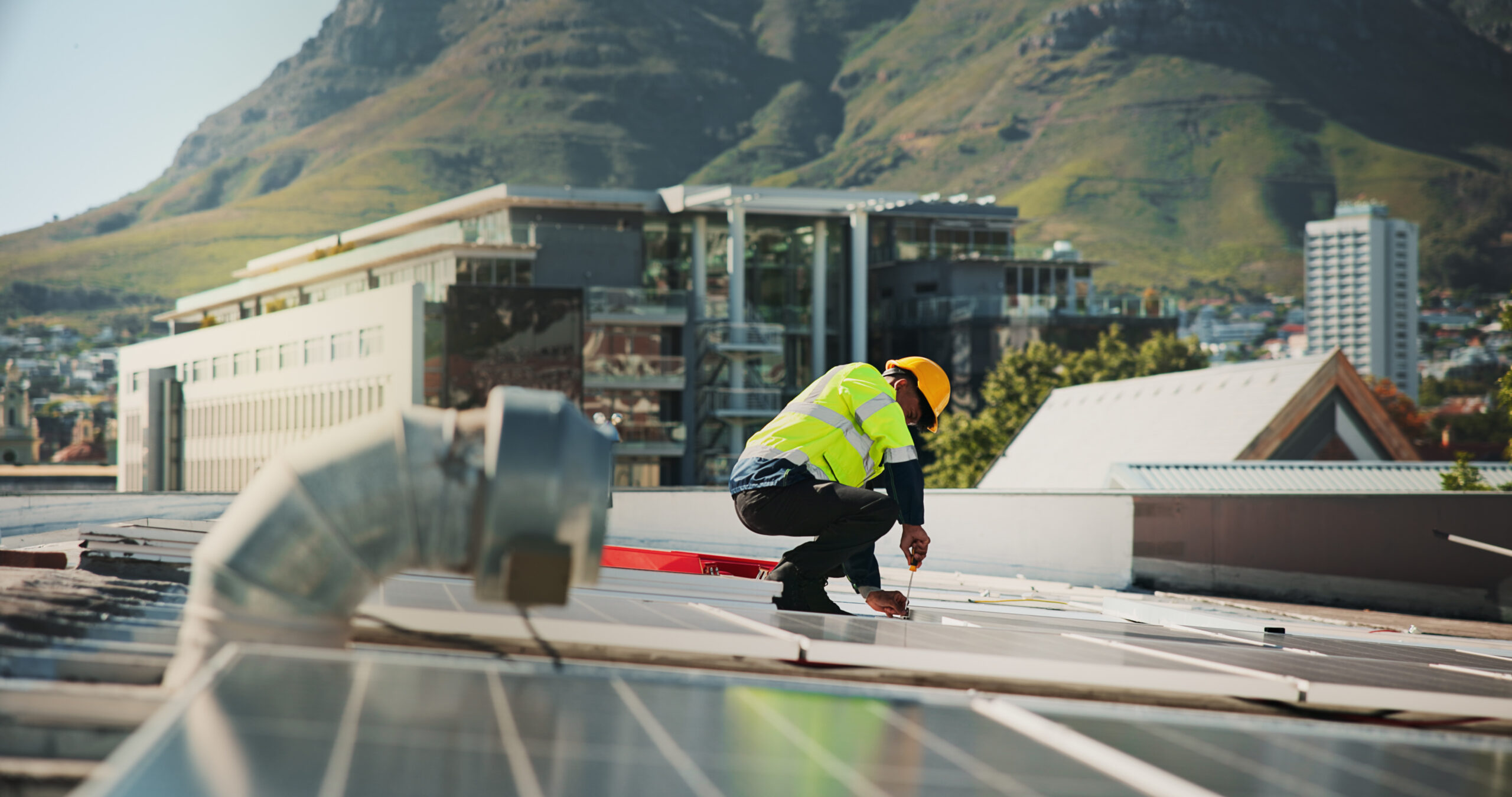
A commercial roof is one of the most valuable assets of any business property. It protects your building, employees, equipment, and inventory from harsh weather while helping maintain energy efficiency and structural integrity. However, commercial roofs are exposed to constant wear from sunlight, rain, wind, snow, and temperature fluctuations.
Without regular maintenance, even small roofing issues can develop into expensive repairs or complete roof replacements.
Routine inspections, preventive maintenance, and timely repairs help extend the life of your commercial roofing system while minimizing unexpected expenses. In this guide, we’ll explain why commercial roof maintenance matters, common roofing problems, warning signs to watch for, and how professional roofing services help protect your investment.
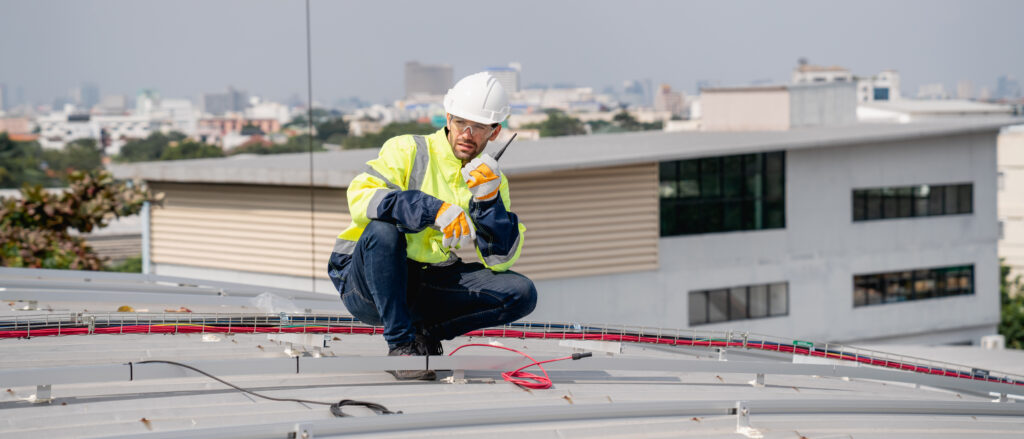
Why Commercial Roof Maintenance Is Important
Regular commercial roof maintenance offers long-term financial and structural benefits.
Protects Your Building Structure
Routine inspections identify leaks, damaged flashing, and deteriorating roofing materials before moisture causes structural damage.
Extends Roof Lifespan
Preventive maintenance helps maximize the life expectancy of commercial roofing systems, delaying costly replacements.
Reduces Repair Costs
Fixing small issues early is significantly less expensive than repairing widespread damage after leaks or storms.
Improves Energy Efficiency
Well-maintained roofs provide better insulation, reducing heating and cooling costs throughout the year.
Common Commercial Roofing Problems
Roof Leaks
Leaks are the most common commercial roofing issue and can damage ceilings, insulation, walls, electrical systems, and valuable equipment.
Ponding Water
Flat commercial roofs often experience standing water after heavy rain. If water remains for more than 48 hours, it can weaken roofing materials and increase leak risks.
Damaged Flashing
Flashing protects roof penetrations, vents, skylights, and edges. Damaged flashing allows water to enter vulnerable areas of the building.
Cracked or Blistered Roofing Membranes
Commercial roofing membranes may crack, blister, or separate due to UV exposure, aging, or severe weather.
Poor Roof Drainage
Blocked drains and gutters prevent proper water runoff, accelerating roof deterioration.
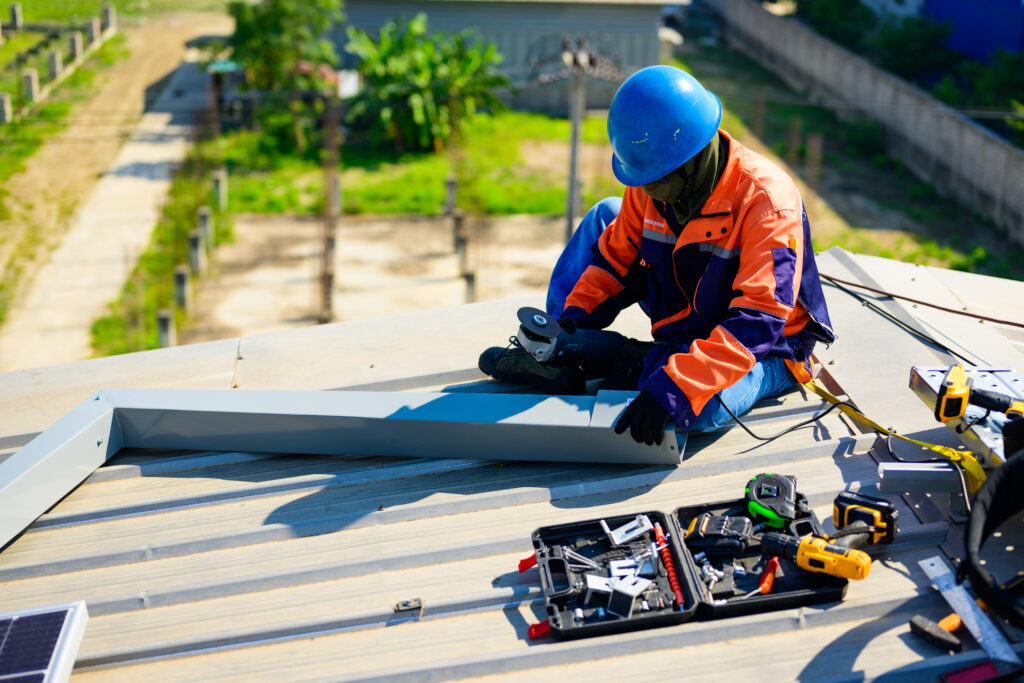
Signs Your Commercial Roof Needs Repair
Watch for these warning signs:
- Water stains on ceilings
- Interior leaks
- Mold or mildew growth
- Rising utility bills
- Cracks or blisters on roofing materials
- Loose flashing
- Standing water
- Sagging roof sections
- Damaged roof membrane
- Visible storm damage
Addressing these issues quickly helps prevent more extensive repairs.
Why Commercial Roof Inspections Matter
Professional inspections provide peace of mind while protecting your investment.
Early Problem Detection
Routine inspections identify hidden damage before it becomes a major issue.
Lower Long-Term Costs
Preventive maintenance reduces emergency repair expenses and unexpected downtime.
Maintain Warranty Coverage
Many commercial roofing warranties require annual or semi-annual inspections to remain valid.
Improve Building Safety
Inspections help identify structural concerns that may create safety hazards for employees or occupants.
Common Commercial Roof Repair Solutions
Leak Detection and Roof Sealing
Roofing professionals locate leaks and seal damaged areas before moisture spreads.
Flashing Repairs
Replacing damaged flashing prevents water intrusion around roof penetrations and edges.
Roof Coatings
Protective roof coatings improve waterproofing, reflect UV rays, and extend roof life while delaying replacement.
Drainage System Repairs
Cleaning and repairing drains, scuppers, and gutters prevents ponding water.
Membrane Patching
Small damaged sections of TPO, EPDM, or modified bitumen roofing can often be repaired instead of replacing the entire roof.
Preventive Maintenance Tips
Property owners can reduce roofing problems by following a consistent maintenance plan.
Best practices include:
- Schedule roof inspections twice each year.
- Remove leaves and debris from roof drains.
- Repair minor damage immediately.
- Limit unnecessary foot traffic.
- Inspect the roof after severe storms.
- Keep maintenance records.
- Follow manufacturer maintenance guidelines.
Preventive maintenance significantly extends commercial roof performance.
How to Choose a Commercial Roofing Contractor
Selecting the right roofing company is just as important as maintaining the roof itself.
Look for contractors who offer:
- Proper licensing and insurance
- Commercial roofing experience
- Positive customer reviews
- Written warranties
- Detailed inspections
- Transparent estimates
- Emergency repair services
Choosing an experienced contractor ensures repairs are completed safely and correctly.
Why Professional Commercial Roofing Services Matter
Professional roofing contractors have specialized training, equipment, and materials to properly inspect and repair commercial roofing systems.
Benefits include:
- Safe repairs
- Code-compliant workmanship
- High-quality roofing materials
- Long-term cost savings
- Improved roof performance
- Extended roof lifespan
Professional maintenance protects both your property and your business operations.
Final Thoughts
Commercial roofing maintenance is one of the smartest investments a property owner can make. Routine inspections, prompt repairs, and preventive maintenance help avoid expensive damage while improving energy efficiency and extending your roof’s lifespan.
Whether you own an office building, warehouse, retail center, or industrial facility, working with experienced commercial roofing professionals ensures your roofing system remains reliable for years to come.
If you’re looking for trusted commercial roofing maintenance and repair services, Beyond Roofing Wisconsin is ready to help protect your investment with expert inspections, repairs, and long-term roofing solutions.
FAQs
1. How often should commercial roofs be inspected?
Commercial roofs should be professionally inspected at least twice a year, typically in the spring and fall, as well as after severe storms or extreme weather events.
2. What causes commercial roof leaks?
Common causes include damaged flashing, cracked roofing membranes, ponding water, clogged drainage systems, storm damage, and aging roofing materials.
3. Can small commercial roof problems become serious?
Yes. Even minor cracks, loose flashing, or small leaks can quickly develop into significant structural damage, mold growth, and costly repairs if not addressed promptly.
4. What is ponding water on a commercial roof?
Ponding water is standing water that remains on a flat or low-slope roof for more than 48 hours after rainfall. It can weaken roofing materials and increase the risk of leaks and structural damage.
5. Why should I hire professional commercial roofing contractors?
Professional commercial roofing contractors have the expertise, equipment, and safety training to properly inspect, repair, and maintain commercial roofing systems. Their services help extend roof lifespan, improve energy efficiency, maintain warranty coverage, and reduce long-term repair costs.