
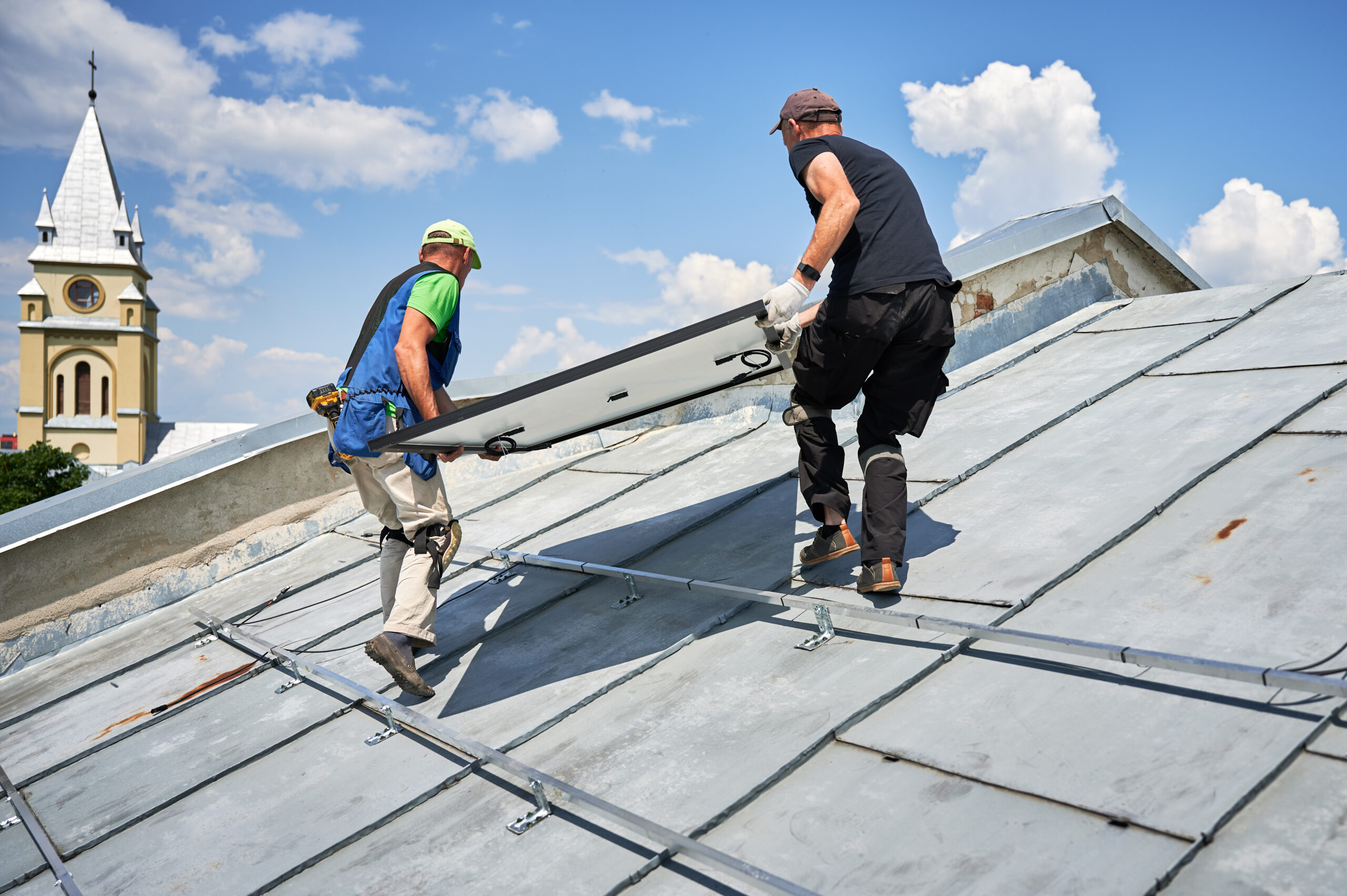
Being able to get a new roof is one of the best investments that a property owner can have. Knowing the installation cost can aid you to budget effectively and prevent any unforeseen expenses during the project. All components impact the cost, such as roofing materials, labor, etc. Beyond Roofing Wisconsin knows that homeowners who are well-informed make better decisions when considering costs, quality, and deciding which type of roof is the best for their property needs and financial goals based on durability and performance.
When Is the Best Time to Schedule Roof Installation?
Although roofing projects can be completed throughout much of the year, spring and fall often provide favorable weather conditions for Roof Installation. Mild temperatures help roofing materials perform better during installation while reducing weather-related delays. However, if your roof has severe leaks or storm damage, delaying the project can increase repair costs and lead to additional structural damage.
Roofing Cost Guide: Breaking Down Every Installation Expense Step by Step
When it comes to a roofing budget, it’s easier to make a realistic estimate when you are aware of all the costs. Total installation costs are dependent on the kind of material selected, labor rates and so on. By taking a close look at each type of cost, homeowners can make more informed financial decisions and avoid any financial surprises.
Roofing Material Costs
Roofing material costs are dependent on durability, appearance and lifespan. While metal, tile, and slate roofs are more durable and weather resistant and have longer lifespan, they tend to be more expensive, with asphalt shingles being the least expensive of the roof types.
Labor Costs
Labor expenses will vary according to the complexity of the roof, the cost of a local contractor, the amount of time needed for installation and the size of the crew. Steeper roofs or complex designs are more challenging and will cost more for installation but provide safe, secure and correct placement.
Roof Removal Costs
Developing a new roof is an extra cost to the project. Contractors will need to charge you for taking off old materials, moving the trash and disposing of it. Typically, more than one roofing layer needs to be removed, which can add to the jobsite cost.
Underlayment and Roofing Accessories
Additional roof components like protective underlayment, flashing, ventilation systems, ridge cap, and waterproof barriers enhance roof performance. These accessories, while adding to the initial investment, can help prevent leaks, increase durability and prolong the roof’s lifespan.
Payments for permits and inspections
Local permits and inspections are often a prerequisite for many roofing projects. Rates differ depending on the area, and inspections ensure that the installation is in compliance with building codes and safety requirements, preventing potential future issues related to compliance.
Unexpected Repair Costs
When installing a roof, it can be discovered that the decking has been damaged or the supporting structure is weak. Solving these issues prior to installing new roofing materials adds expense, but will yield a more durable and robust roof system.
How Can You Reduce Roof Installation Costs Without Sacrificing Quality?
Many homeowners assume the lowest quote is the best value, but Roof Installation costs should be evaluated alongside material quality, workmanship, and warranty coverage. Choosing durable roofing materials, scheduling projects during slower seasons, and addressing minor repairs before installation can help control costs. Working with an experienced contractor also reduces the risk of installation mistakes that could lead to expensive repairs later.
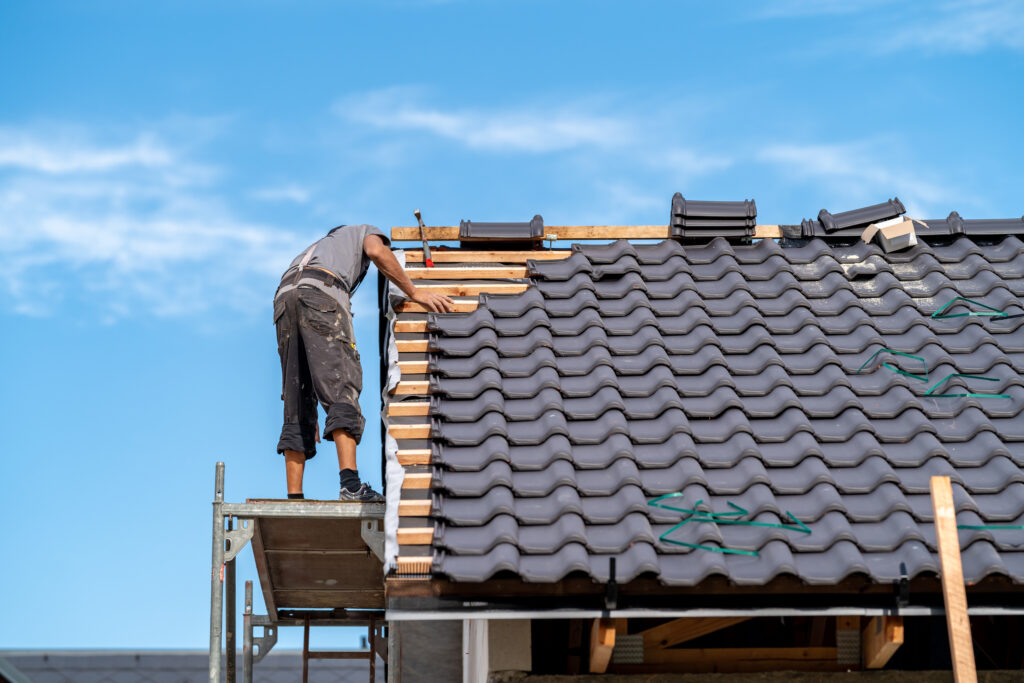
Cost Influencing Factors: What Determines Your Final Roof Installation Price Today
The cost of installing a roof varies from project to project as there are a number of factors that affect the overall project cost. Familiarizing yourself with these costs will help you to better your budget and select solutions that are in line with your requirements and expectations.
Roof Size
The larger the roof the more materials are needed, a higher number of labor hours required, and length of installation time. The cost of a project will obviously increase with the size of the roof area.Of course, projects with larger roof areas will be more expensive due to the need for more resources to complete the project efficiently.
Roof Pitch
Steep roofs are more difficult and hazardous to work on than low slope roofs. The additional safety equipment, planning and time to install can lead to higher labor rates from contractors.
Material Quality
For the most part, premium roofing materials will be more expensive to buy, but will provide better durability, weather protection and warranties. By purchasing high quality materials, future repair/replacement costs over the roof’s life may also be lowered.
Geographic Location
Roof installation costs are dependent on the price of labor, availability of materials, cost of transportation and demand in the area. Roofing projects are likely to be more expensive in areas that have higher living costs as compared to smaller communities.
Seasonal Demand
During the summer, roofing demand peaks, potentially causing more challenges for contractors in availability and pricing. Installing during off-peak seasons could be beneficial to homeowners in getting better rates and quicker project timelines.
Contractor Experience
A roofing contractor who has been in business for a long time will generally have more expensive prices due to their experience, workmanship and reputation. Although the upfront expense might be higher, the job will be done correctly, avoiding the potential for problems and costly fixes.
Why a Professional Roof Inspection Matters Before Roof Installation
A professional roof inspection helps identify hidden issues such as damaged decking, poor ventilation, moisture intrusion, or worn flashing before a new roof is installed. Addressing these concerns beforehand allows your new roofing system to perform as intended and can prevent unexpected expenses after installation. It also ensures the project is completed according to local building codes and manufacturer recommendations.
How Long Does a Roof Installation Typically Last?
The lifespan of a newly installed roof depends on the roofing material, installation quality, climate, and ongoing roof maintenance. Asphalt shingles generally last 20–30 years, while metal roofing can last much longer with proper care. Scheduling routine inspections, keeping gutters clean, and repairing minor damage promptly can help maximize the life of your investment and reduce future maintenance costs.
Conclusion
The roof installation price is much more than just a cost of roofing materials. The actual cost is affected by the amount of labor needed, permits, repairs, roof size, and when it’s needed – in the winter or summer. Knowing what these cost categories and influencing factors are can help homeowners make decisions prior to beginning a roofing project. By carefully planning, comparing quotes, and opting for quality materials and skilled contractors, you can ensure a roof that provides long-lasting protection and value for years to come.
FAQs
Does the roofing material have an effect on the cost of the project?
Yes, the fees for permits do vary by county and are likely to be needed prior to installation.
Does the new roof need to be of a higher quality?
Yes, the removal and disposal can add up a lot to the roofing project budget.
Will superior roofing materials make up for the cost in the long run?
Yes, they do need less maintenance and offer greater long-lasting weather protection.
How long does a roof installation take?
Most roof installation projects are completed in 1–3 days, depending on the roof size, weather, and project complexity.
Can a new roof improve energy efficiency?
Yes. A quality roof installation with proper insulation and ventilation can improve energy efficiency and help reduce heating and cooling costs.