
Roof issues may range from minor leaks to major structural damages, making it challenging to determine if repairs or complete roof replacement are the best choices. By gaining insight into the average cost of roofing, homeowners can better plan their budget and avoid incurring any surprise costs. In this guide by Beyond Roofing Wisconsin you will learn that typical ranges of cost and factors that influence costs help make it easier to select the most practical and cost effective solution, though the prices will vary based on location, materials and roof size.
Roofing Price Guide: Comparing Repair Costs with Full Replacement Expenses Today
Knowing the average price of a roof can assist homeowners in making decisions on repairs or roof replacement. These are approximate averages and can be used as a guide when estimating the final cost of your project due to the amount of damage, roofing material, labour and project complexity.
Minor Roof Repairs
The cost of small repairs (just a few shingles replaced, leak patched or flashing fixed) is typically $150 – $800. Repairing these issues early will typically avert bigger issues later and will be done in a relatively short time.
Moderate Roof Repairs
If the leak is in the roof, repairs to the underlayment, there are multiple leaks or larger sections of roofs, the cost are usually between $800 to $2500. The cost will vary based on the type of material, where the roof is located and the extent of the roof surface that needs work.
Major Roof Repairs
The repair can cost anywhere from $2,500 to $7,000 when decking is being replaced, the damage is extensive and/or the issue is storm or water related. While these repairs can be costly, they might be more affordable than a roof replacement.
Asphalt Shingle Roof Replacement
The typical cost of replacing an asphalt shingle roof is from $5,000 to $15,000 for the average house. The overall project price is dependent on the roof size, quality of the shingles, labour costs, and disposal costs.
Metal Roof Replacement
The average costs of a full replacement of a metal roof are between $10,000 and $30,000. Metal roofing can be more expensive up front, but can be very long-lasting, energy efficient and can last for a very long time compared to many traditional roof materials.
Install tile or slate roof
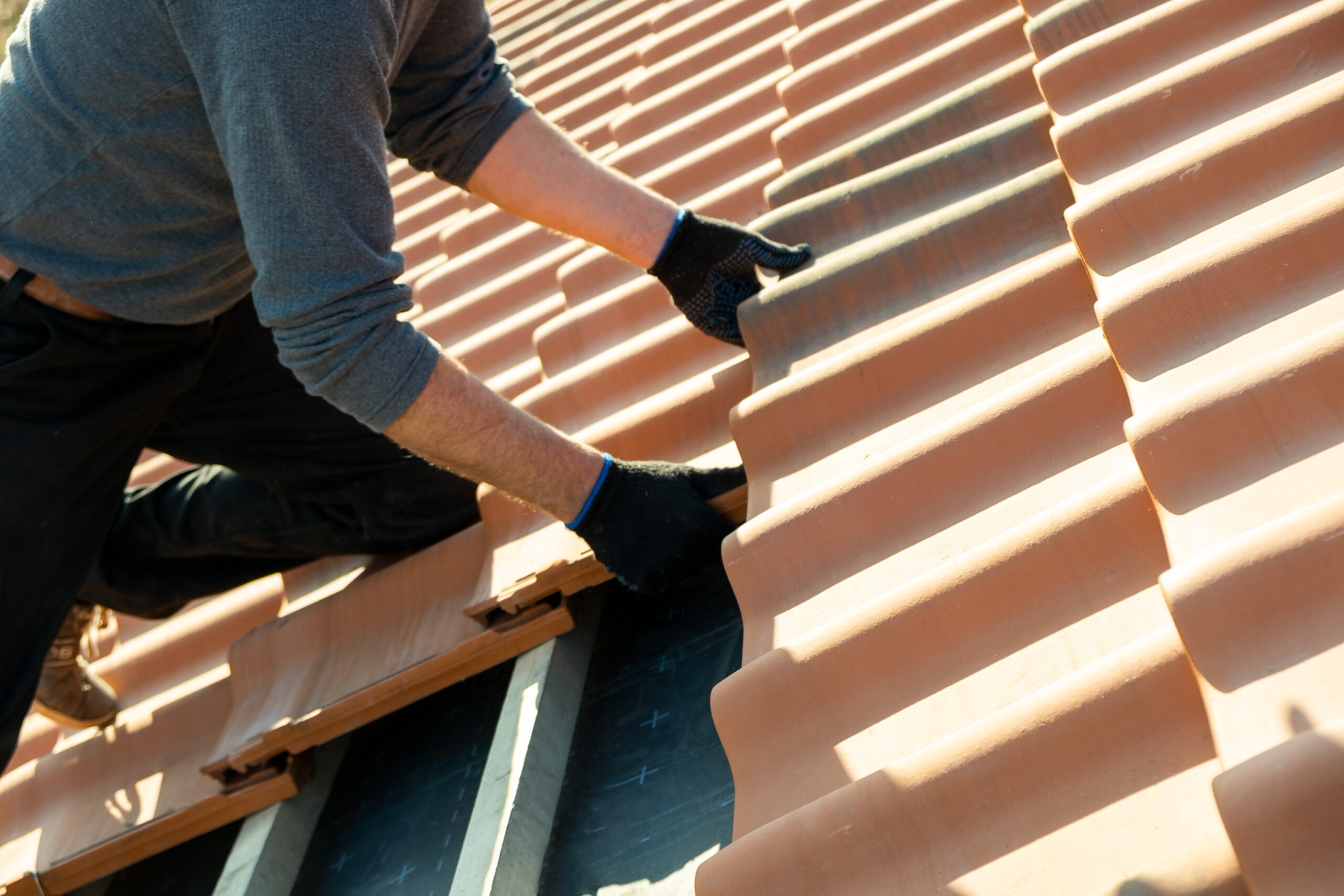
The prices of premium roofing like tile or slate are usually $15,000 to $50,000 or beyond. Although they may cost more to install, they are excellent long-term investments due to their long life and beautiful look.
Key Cost Factors: What Increases Roof Repair and Replacement Expenses Most Often
The costs of roofing will vary according to the particular roofing project, because each house comes with its own set of circumstances. Homeowners can determine the more significant cost drivers, which can help them to make more accurate estimates and decisions on repair versus replacement.
Roof Size
The larger the roof area, the more material that is needed, the more labour and the more time that will be required for installation. Roof size is one of the biggest pricing factors for roof repairs and replacements, as the number of square feet goes up, so do the overall costs of the project.
Roofing Material
There are significant differences in the cost, strength and ease of installation of various roofing materials. The price of asphalt shingles is low, and metal, tile and slate roofs are more expensive and need to be installed using specific methods.
Extent of Damage
The extent of cosmetic damage typically results in minor repairs that are quite cost-effective, whereas a substantial leak or structural damage will add significant labour, material and maintenance expenses. If there is extensive damage, it may be more reliable and cost effective to replace the roofing system.
A roof’s pitch and accessibility
Additional safety equipment is needed and more labor is required for steep roofs, or homes that are hard to access. These can be more challenging to install and more time consuming, so contractors may charge more for installing them.
Labour and Local Rates
The rate of labour for roofing can differ from one location to another, depending on the market conditions, the experience of the contractors, and the demand for roofing in the region. Generally, roofing services are higher in areas that have high living expenses or areas with a shortage of skilled labour.
Permit and Disposal Fees
There are several replacement projects that may need permits and disposal of the roofing materials. These extra costs can be a minor element of a roofing job with each one, but can definitely add up.
What Happens During a Roof Replacement?
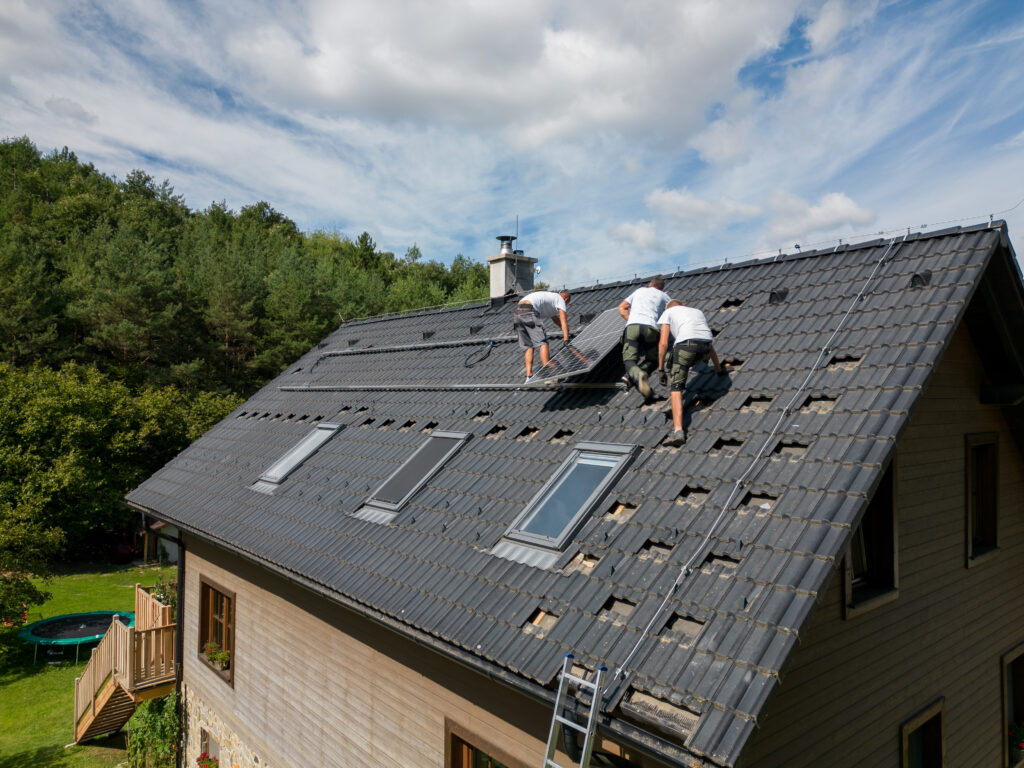
A Roof Replacement is more than removing old shingles and installing new ones. The process usually begins with preparing the property, removing the existing roofing materials, and checking the roof deck for hidden problems. The new roofing system is then installed with the appropriate underlayment, flashing, ventilation, and roofing materials. Understanding these steps helps homeowners know what to expect once the project begins.
How to Know When Repair Is No Longer Enough
A roof can sometimes continue performing after a small problem is repaired, but repeated issues may indicate that the roofing system is reaching the end of its useful life. Frequent leaks in different areas, widespread shingle deterioration, recurring storm damage, or ongoing maintenance needs can be signs that replacement deserves consideration. A professional roof inspection can help determine whether continued repairs are practical or whether Roof Replacement offers better long-term value.
What Should Homeowners Look for in a Roofing Estimate?
A roofing estimate should provide more than a total project price. Homeowners should look for details about the roofing materials, removal of existing materials, underlayment, flashing, ventilation, cleanup, workmanship, and warranty information. Comparing estimates based only on the lowest price can make it difficult to understand what is actually included. A detailed estimate makes it easier to compare roofing contractors and understand the scope of the project.
How Can Proper Installation Improve Roof Performance?
The quality of roof installation can have a major effect on how a new roof performs over time. Even high-quality roofing materials may not deliver their expected performance when flashing, ventilation, underlayment, or other components are installed incorrectly. Professional Roof Replacement should therefore focus on the complete roofing system rather than shingles alone. Proper installation can help improve weather resistance, reduce moisture problems, and support the roof’s expected service life.
Conclusion
The decision of roof repair versus replacement will depend on the condition of the roof, the roof’s age and the long term value of the roof. Though it is more expensive, a roof replacement might be necessary for older or severely damaged roofs, while minor damage might be easily repaired. Homeowners that obtain several expert quotes and weigh the cost of repairs against replacement benefits will be better informed and make decisions that will save their homes and budgets.
FAQs
Is roof repair covered by insurance?
Normal wear is typically not covered by insurance, but may be covered for qualifying storm damage.
When Should a Roof Be Replaced?
The lifespan of most roofs range from 20 to 50 years based on what materials are used, depending on the quality.
Are roof size and replacement price related?
Yes, larger roofs do take more materials, people to work and take more time to install the roofing.
Is It Cheaper to Repair or Replace a Roof?
Repairs usually cost less upfront, but Roof Replacement may offer better long-term value when damage is widespread or the roof is aging.
Can a New Roof Improve Energy Efficiency?
Yes. Proper Roof Replacement, ventilation, and insulation can reduce heat transfer and improve indoor comfort.